Why a Website Audit Is Important
A website audit is important because it helps you spot technical problems, weak content, slow pages, security risks, and missed SEO opportunities before they cost you traffic, leads, and sales. A strong audit gives you a practical list of fixes so you can improve the overall user experience and make your site work harder for your business.
If your website brings in leads, books appointments, answers questions, or supports sales, it needs regular checkups. Most business owners do not think about an audit until something breaks. A form stops working. A page slows down. Rankings slip. By that point, the problem is already affecting trust and performance.
That is why a website audit matters. It helps you catch issues early, understand what is holding your site back, and build a clear action plan. It can also show you what your site is already doing well so you know what to keep improving. In short, a website audit helps you:
- Find technical problems before they become expensive emergencies
- Improve page speed and the overall user experience
- Strengthen SEO with better website content, headings, internal links, and meta descriptions
- Tighten security and reduce the risk of downtime and attacks
- Identify areas for improvements that can increase conversions and ROI
What Is a Website Audit?
A website audit is a structured review of your entire site. It looks at how the site performs, how search engines read it, how people use it, and how well it supports your business goals. A comprehensive website audit usually combines a technical review, an SEO audit, a content audit, and a user experience review.
In practical terms, a website audit often checks things like broken links, 404 pages, redirects, crawl issues, page speed, Core Web Vitals, mobile usability, accessibility, titles, headings, internal links, schema, and meta descriptions. It also reviews thin content, outdated website content, duplicate pages, missing calls to action, security warnings, plugin updates, and backup setup.
Why a Website Audit Is Important for SEO and Business Growth
In short, regular audits will help your business keep a better performing website that is more likely to accomplish your goals. If you want a broader look at how maintenance can also support goals, check out our Complete Maintenance Guide when you’re done with this article. Now on to what an audit does for you.
1. It helps you find problems before customers do
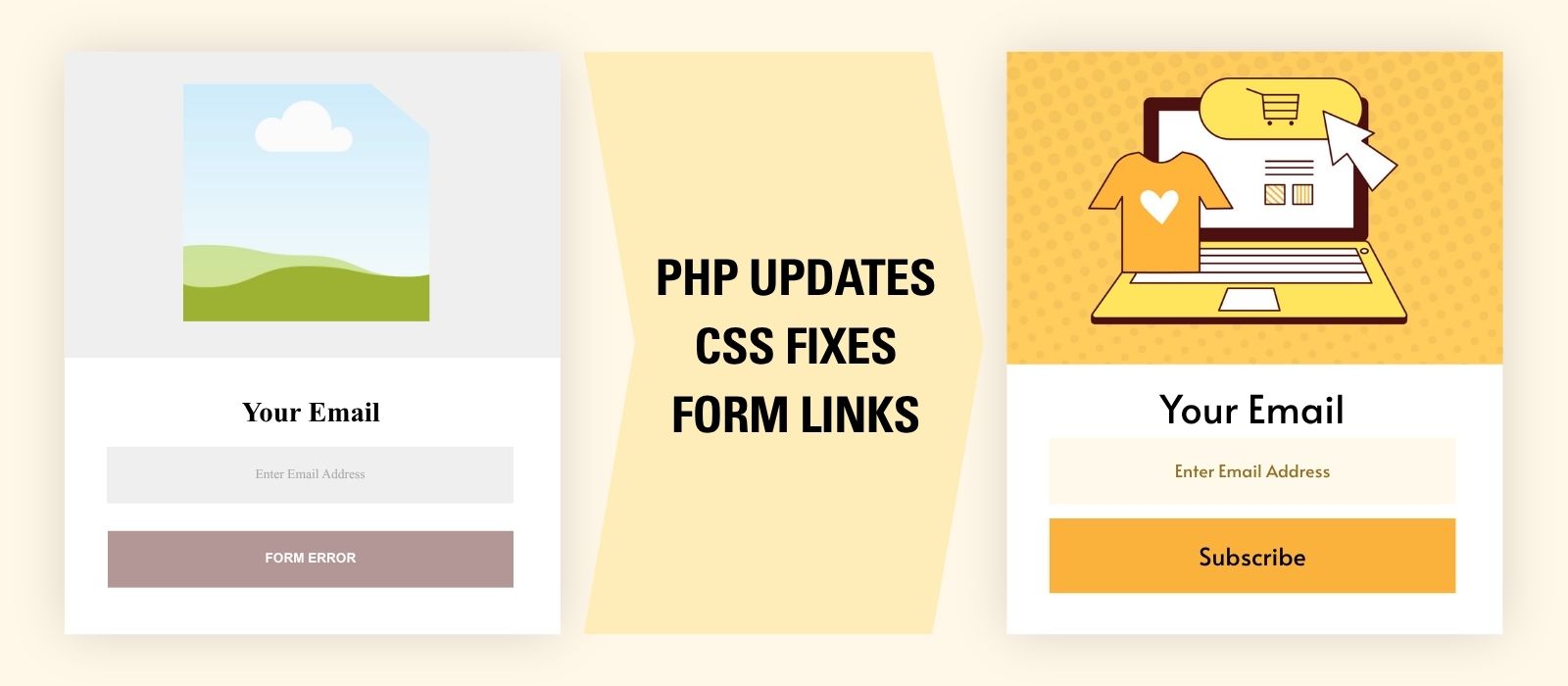
One of the biggest reasons to run an audit is simple: websites break quietly. A page may still load, but key parts of it may not work. Contact forms can fail, buttons can stop linking, layouts can shift. A good audit helps you catch these problems before a prospect sees them. That matters for trust. If someone lands on your site and runs into obvious issues, they may leave and never come back.
This is where the technical side of an audit becomes valuable. It can uncover crawl errors, broken internal links, redirect chains, oversized images, and duplicate meta descriptions that are easy to miss in a normal review. SE Ranking reports that only 26% of websites use alt text on their images, 50% have duplicate meta descriptions, and 36% have pages returning 4XX errors. Those are the types of issues a solid audit can uncover and prioritize.
2. It improves page speed and the overall user experience
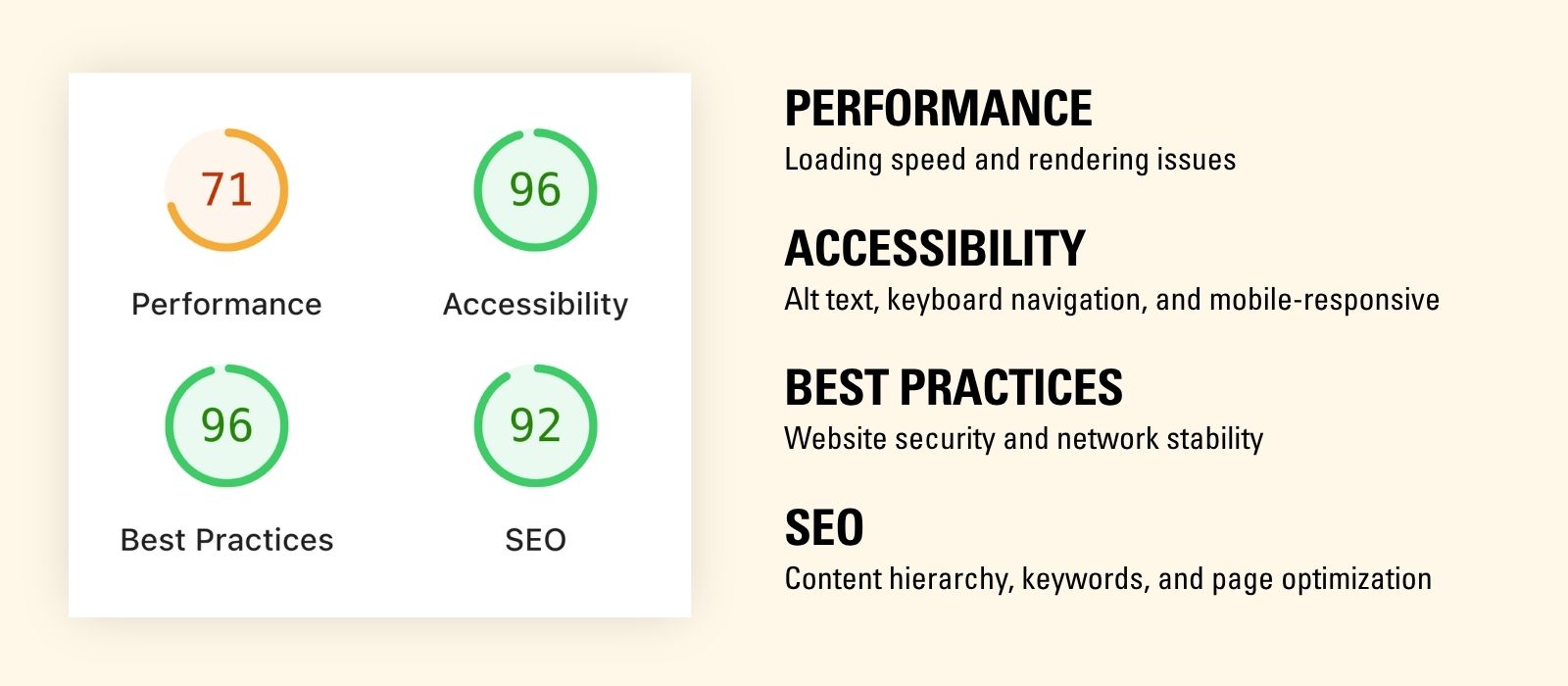
Speed affects rankings, conversions, bounce rate, and how professional your business feels. People do not want to wait for a slow site. If pages lag, users leave. An audit helps you understand why pages load slowly. It can reveal large images, extra scripts, weak hosting, or plugin conflicts that drag performance down. It can also show mobile layout problems, such as buttons that are hard to tap or content that feels cramped.
This matters because strong page experience is still difficult for many websites to achieve. Recent reporting notes that only 47% of websites currently pass Core Web Vitals, and even a 100-millisecond delay in page speed can reduce conversion rates by 7%. The point is not that every owner needs to become a performance expert. The point is that speed problems cost money, and audits help expose them.
3. It strengthens your SEO and content
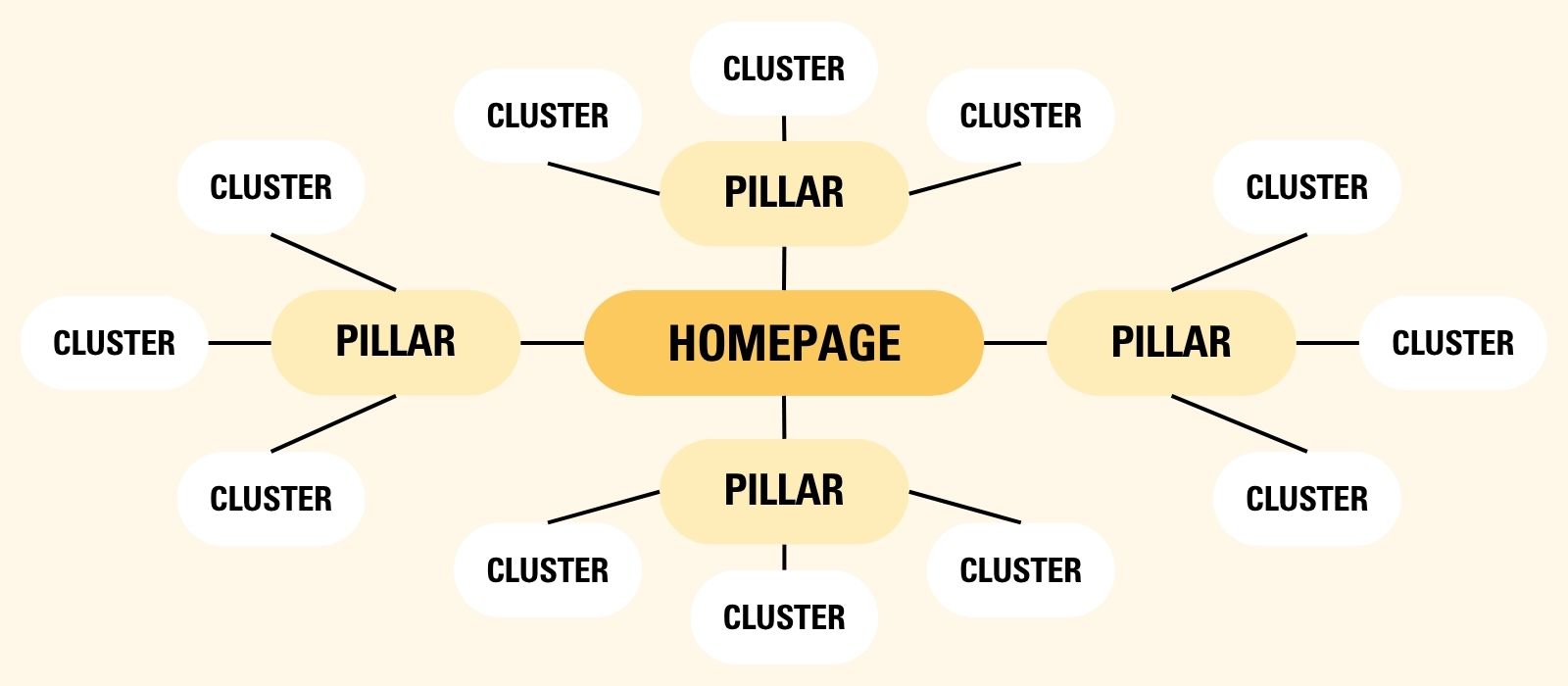
Many people hear the word audit and think only about technical SEO. That is part of it, but it is not the full picture. A useful SEO audit also checks whether your website content matches what people are searching for. That includes reviewing whether each page has a clear topic, is structured well, has internal links, and titles and meta descriptions. A content audit goes one step further by identifying thin pages, duplicate intent, outdated articles, and missing topics that deserve new content.
This is one of the strongest reasons to audit regularly: search intent changes, competitors publish new material, and your business evolves. What worked last year may not be enough now. An audit helps you see the gaps clearly and gives you specific areas for improvements instead of vague guesses.
4. It protects your site from security and maintenance issues
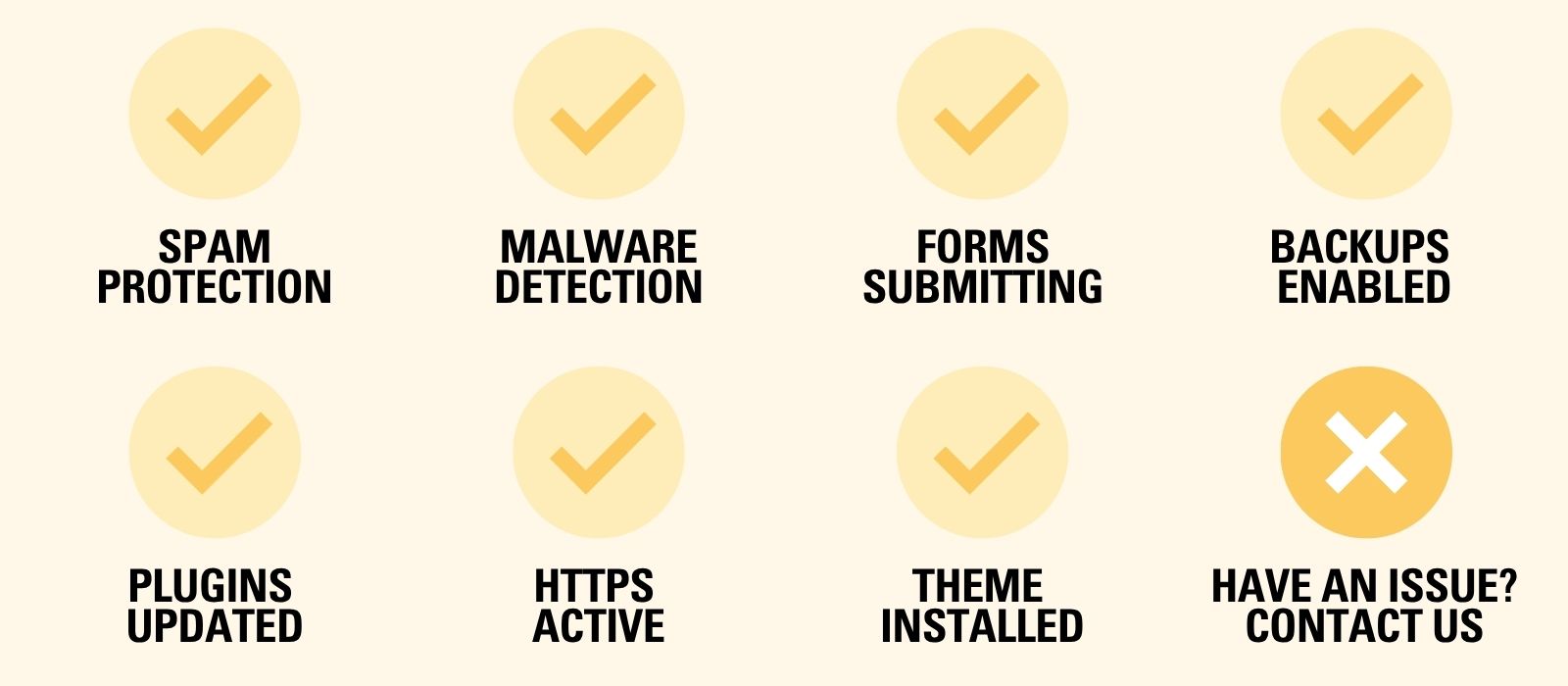
Security is not just an IT problem. It is a business problem. If your site shows a warning, goes down, or gets compromised, leads and trust often disappear quickly. A proper audit reviews whether HTTPS is active, whether plugins and themes are current, if backups are running, and checks for signs of malware. It should also review forms, login areas, and user permissions.
If something is actively broken and you need help fast, the best next step is not another article. It is to contact a professional for help. Use our Contact Us page if you need help and one of our experts will be in touch right away.
5. It helps you get more value from the traffic you already have
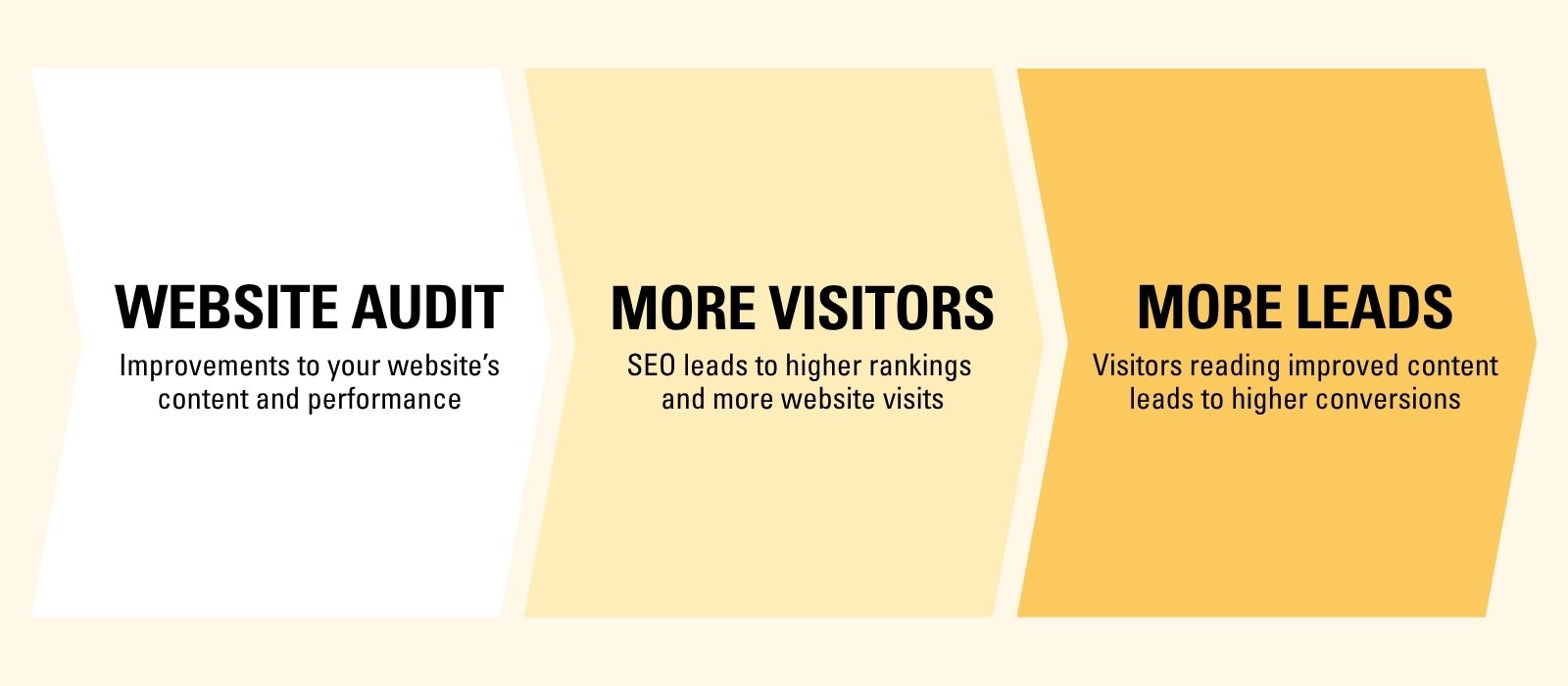
A website audit is not only about traffic. It is also about conversion. If your site already gets visitors, an audit can help you turn more of them into leads and customers. That means reviewing forms, phone-number visibility, button placement, messaging clarity, page hierarchy, and trust signals. It also means asking whether each important page gives people a clear next step.
For this reason, audits can have a strong return. Sometimes it’s not about more traffic. You need a cleaner path for the traffic you already have. A comprehensive website audit can help uncover those missed opportunities.
What a Good Website Audit Should Include
A lightweight “score” from one tool is not enough. A strong audit should include both data and human review. At minimum, it should cover these areas:
- Technical SEO: indexability, crawl errors, redirects, sitemap, robots.txt, canonicals, and schema.
- Performance: Core Web Vitals, image compression, code bloat, hosting, caching, and mobile speed.
- Content audit: weak pages, outdated website content, overlapping topics, and missing support content.
- On-page SEO: titles, headings, internal links, keyword targeting, and meta descriptions.
- User experience: mobile layout, readability, CTA placement, navigation, trust signals, and form usability.
- Security and maintenance: HTTPS, updates, backups, plugin health, and malware checks.
That mix matters because some problems show up in tools, while others only show up when a real person moves through the site like a potential customer. Ensuring the above is covered means you’ll get a complete website audit.
How Often Should You Audit a Website?
For most small business websites, a full audit once or twice a year is a smart baseline. However, the actual frequency will ultimately depend on the complexity of your website. You should also run one after major redesigns, platform changes, SEO drops, security issues, or long stretches without maintenance. If your site changes often or supports a lot of leads, quarterly reviews make even more sense.
You may also consider running a partial audit more frequently. For ecommerce website maintenance, you’ll want to be sure your checkout functionality is working at least every other week. A more general business might consider checking their lead forms with a test submission just as frequently.
FAQ: Common Questions About Website Audits
Can I do a website audit myself?
Yes, you can do a basic audit yourself with Google Search Console, PageSpeed Insights, and a crawling tool. The challenge is not only gathering the data. It is knowing what matters most and what to fix first.
What is the difference between a website audit and an SEO audit?
An SEO audit focuses mainly on search visibility. A website audit is broader. It usually includes SEO, performance, security, website content, usability, and conversion issues.
How often should I audit my website?
Once or twice a year is a smart baseline for most small business sites. Audit more often if the site changes frequently or if you notice performance, security, or ranking problems.
What does a comprehensive website audit include?
A comprehensive website audit includes technical checks, performance review, content audit work, an SEO audit, user experience review, and a clear list of recommended fixes.
Will a website audit improve rankings by itself?
Not by itself. The audit reveals the problems and opportunities. Ranking gains come after you implement the improvements the audit uncovers.
In conclusion, you can absolutely do a website audit yourself with tools like Google Search Console, Google PageSpeed Insights, Google Core Web Vitals and more. These are great resources because they help you validate both SEO and performance questions while giving you a large amount of data to work with. However, you should be honest with yourself about your technical abilities and if you truly have time. An incomplete audit is not just as good as a full one, and one that keeps getting pushed down the road is dangerous.
Ready to Improve Your Website?
Regular audits keep your site healthy, competitive, and easier to trust. If you want help reviewing your site or fixing what the audit uncovers, start with our Contact Us page. If you already know you want ongoing help, compare our Website Maintenance Packages or take a look at our Website Support Services to see which fit makes the most sense for your business.